E-commerce Growth in Kerala: Opportunities and Challenges in 2025
Kerala’s e-commerce sector is experiencing unprecedented growth, transforming how businesses operate and consumers shop. With projections indicating an 18% CAGR growth by 2026, the state’s digital marketplace is opening new opportunities for businesses and entrepreneurs alike. This blog explores the dynamics of Kerala’s e-commerce market and its future potential.
Why Kerala is a Thriving E-commerce Market
Kerala has always been at the forefront of literacy and technology adoption in India. With a literacy rate exceeding 95% and high smartphone penetration, the state presents an ideal market for online shopping. The combination of educated consumers, strong digital infrastructure, and increasing internet connectivity has created a perfect storm for e-commerce growth.
The COVID-19 pandemic accelerated the shift toward online shopping dramatically. Even consumers who previously relied solely on traditional retail have now embraced e-commerce platforms. From groceries to electronics, fashion to furniture, the convenience of ordering from home has become an integral part of the Kerala consumer’s lifestyle.
District-wise E-commerce Trends
Ernakulam/Kochi: The Commercial Hub
As Kerala’s commercial capital, Kochi leads in e-commerce adoption. The city shows particularly strong demand for electronics, fashion, and online groceries. With a young, tech-savvy population and numerous IT professionals, Ernakulam has become the testing ground for new e-commerce innovations and quick commerce services.

Thiruvananthapuram: Steady Growth

The state capital demonstrates consistent purchasing power, driven largely by government employees and the educated middle class. There’s a growing preference for premium products, home décor, and lifestyle items. The city has also seen significant growth in edtech and online service bookings.
Kozhikode: Traditional Meets Digital
Kozhikode represents an interesting blend where traditional products find new life online. The district shows strong demand for spices, traditional snacks, and handloom products sold through digital platforms. Local businesses are increasingly using e-commerce to reach national and international markets.
Thrissur: Cultural Commerce
Known as Kerala’s cultural capital, Thrissur exhibits high demand for jewelry, textiles, and cultural products online. The district’s festivals and celebrations drive seasonal spikes in e-commerce activity, particularly for traditional wear and gold jewelry.
Kannur: Handloom Revolution
The handloom capital is witnessing a digital transformation. Local weavers and artisans are now connecting directly with customers through e-commerce platforms, eliminating middlemen and increasing their profit margins. This has revitalized the traditional handloom industry.
Key Growth Drivers
Mobile-First Shopping Experience
Over 75% of e-commerce transactions in Kerala happen on mobile devices. Businesses that prioritize mobile optimization, fast loading times, and seamless checkout processes are seeing significantly higher conversion rates. Progressive Web Apps (PWAs) are gaining traction among local businesses.
Regional Language Content
Malayalam content significantly improves engagement and conversion rates. Consumers feel more comfortable browsing and purchasing when product descriptions, customer service, and user interfaces are available in their native language. This localization extends beyond mere translation to cultural adaptation.
Payment Preferences
While digital payments are growing, Cash on Delivery (COD) remains popular, especially in tier 2 and tier 3 cities. Successful e-commerce businesses in Kerala offer multiple payment options, including UPI, digital wallets, net banking, and COD to cater to diverse consumer preferences.
Social Commerce Boom
Instagram, Facebook, and WhatsApp have become powerful sales channels. Small businesses and individual entrepreneurs are building thriving businesses through social media platforms, often without traditional websites. Live shopping, influencer collaborations, and community-based selling are particularly effective.
Emerging Opportunities
Hyperlocal Delivery Services
Quick commerce and hyperlocal delivery are growing rapidly in urban Kerala. Consumers now expect groceries, medicines, and essentials delivered within hours. This has created opportunities for local delivery startups and logistics partners.
D2C Brands
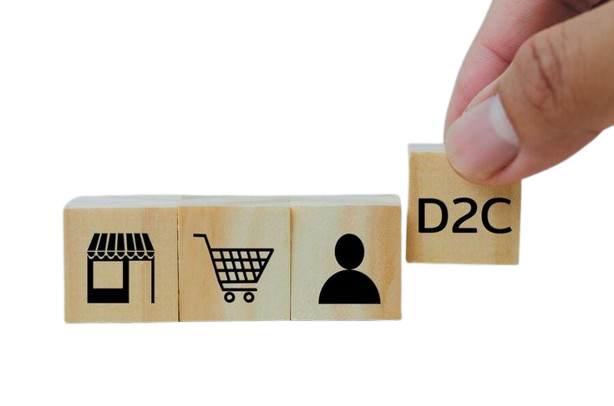
Direct-to-Consumer brands are flourishing, particularly in sectors like organic products, artisan goods, and specialty foods. Kerala’s reputation for quality spices, tea, coffee, and coconut products makes it ideal for D2C ventures targeting national and international markets.
Subscription Services

From meal kits to fresh vegetables, subscription-based models are gaining acceptance. Consumers appreciate the convenience and often better pricing that subscriptions offer.
The Road Ahead
Kerala’s e-commerce future looks promising. The convergence of improving infrastructure, increasing consumer confidence, and innovative business models will drive continued growth. Businesses that understand local preferences, invest in technology, and prioritize customer experience will thrive in this dynamic market. As we move forward, the integration of AI for personalization, AR for virtual try-ons, and voice commerce in Malayalam will further transform the shopping experience. The key to success lies in balancing global e-commerce best practiceswith local cultural sensibilities and consumer preferences.For entrepreneurs and businesses in Kerala, now is the time to embrace e-commerce. Whether you’re a traditional retailer looking to expand online or a startup building a digital-first brand, the opportunities are immense. The future of retail in Kerala is undoubtedly digital, and those who adapt quickly will reap the greatest rewards