Meta ads complete Guide 2025
In the rapidly evolving digital marketing landscape, Meta Ads has emerged as the most powerful advertising platform for businesses worldwide. With billions of active users and advanced targeting capabilities, it’s the go-to choice for marketers seeking measurable results and high return on investment.
Understanding Meta Ads
Meta Ads is the comprehensive advertising platform that enables businesses to run targeted advertisements across Facebook, Instagram, Messenger, and the Audience Network. This unified platform provides access to over 3 billion active users globally, making it an indispensable tool for modern marketing strategies.
What sets Meta Ads apart is its sophisticated algorithm that learns from user behavior and optimizes ad delivery in real-time. Whether you’re selling products, generating leads, or building brand awareness, Meta’s machine learning technology ensures your ads reach the right people at the right time.
Why Meta Ads is Essential for Your Business
Precision Targeting Like Never Before

Meta Ads offers unparalleled targeting capabilities that traditional advertising simply cannot match. You can target users based on detailed demographics including age, gender, location, language, education level, and job titles. But the real power lies in behavioral and interest-based targeting, where Meta’s data allows you to reach people based on their online activities, purchase behaviors, and stated interests.
Custom Audiences take targeting to another level by allowing you to upload your customer lists, target website visitors, or engage users who have interacted with your app or content. Lookalike Audiences then expand your reach by finding new users who share similar characteristics with your best customers, essentially cloning your ideal audience at scale.
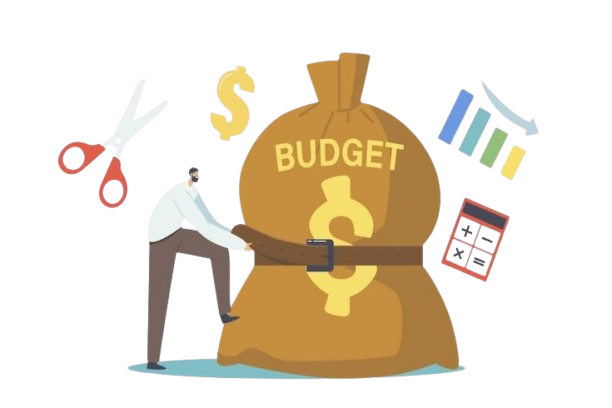
Budget Flexibility and Control
One of Meta Ads’ greatest advantages is its accessibility to businesses of all sizes. You can start advertising with as little as 100 rupees per day, making it ideal for small businesses testing the waters. As you identify what works, you can scale your budget incrementally while maintaining control over your spending. The platform offers both daily and lifetime budget options, giving you complete flexibility in how you allocate your advertising funds.
Comprehensive Analytics and Insights
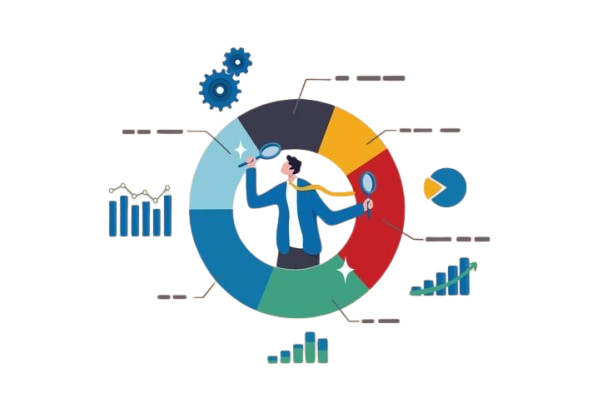
Meta Ads provides detailed real-time analytics that traditional advertising can never offer. You’ll see exactly how many people viewed your ad, clicked through to your website, and completed desired actions. The Ads Manager dashboard breaks down performance by demographics, placements, devices, and time periods, giving you actionable insights to continuously improve your campaigns.
Types of Meta Ads and When to Use Them
Meta offers diverse ad formats designed for different marketing objectives. Image ads are perfect for showcasing products with eye-catching visuals and work well for e-commerce and promotional campaigns. Video ads excel at storytelling and product demonstrations, with studies showing they generate 48% more engagement than static images.
Carousel ads allow you to display up to ten images or videos in a single swipe able ad, ideal for showcasing product collections or telling sequential stories. Stories ads appear full-screen between user stories and are optimized for mobile-first experiences. Collection ads combine video or images with product catalogs, creating seamless shopping experiences directly within the platform.
Campaign Structure and Setup
Meta Ads operates on a three-tier structure that’s crucial to understand. The campaign level is where you select your objective, which could be awareness, consideration, or conversion-focused. Your objective choice determines how Meta optimizes your ad delivery and what actions you can track.
At the ad set level, you define your target audience, set budgets, choose placements, and establish bidding strategies. You can create multiple ad sets within a campaign to test different audiences or budget allocations simultaneously. The ad level contains your creative elements including images, videos, headlines, ad copy, and call-to-action buttons that your audience actually sees
Mastering Ad Creative
Your ad creative is the make-or-break factor in campaign success. Use high-resolution images or videos that immediately capture attention in crowded news feeds. For videos, hook viewers within the first three seconds and always include captions since 85% of Facebook videos are watched without sound.
Your headline should be concise and benefit-focused, typically five to seven words maximum. The ad copy should address a specific pain point your audience faces and clearly communicate how your product or service provides the solution. Include strong, specific calls-to-action like “Shop Now,” “Learn More,” or “Get Started” rather than generic buttons.
Budget Optimization and Bidding
When starting out, allocate 500 to 1,000 rupees per day for testing new campaigns. This budget level provides Meta’s algorithm with sufficient data to optimize performance effectively. Monitor your campaigns daily during the first week, looking at key metrics like cost per result, click-through rate, and conversion rate.
Once you identify winning campaigns, scale your budget gradually by 20 to 30 percent every three to four days. Rapid budget increases can disrupt Meta’s learning process and decrease efficiency. For bidding strategy, beginners should start with lowest cost bidding, which automatically maximizes results within your budget constraints.
Tracking and Measurement
Installing the Meta Pixel on your website is non-negotiable for serious advertisers. This piece of code tracks visitor actions and conversions, allowing you to measure true ROI and build powerful retargeting audiences. The pixel captures events like page views, add to cart actions, purchases, and lead submissions. Focus on metrics that matter for your business objectives. Click-through rate indicates ad relevance, with good campaigns achieving 1 to 2 percent and excellent ones exceeding 3 percent. Cost per acquisition should be lower than your customer lifetime value for profitable campaigns. Return on ad spend is the ultimate metric, showing exactly how much revenue your advertising generates.
Common Mistakes and How to Avoid Them
Many businesses fail with Meta Ads due to preventable mistakes. Targeting too broadly by trying to reach everyone results in wasted budget and poor conversions. Start with specific, well-defined audiences and expand gradually based on performance data. Stopping campaigns prematurely is another common error. Give Meta’s algorithm adequate time to learn and optimize before judging results.
Ignoring mobile optimization is critical since 98% of Meta users access platforms via smartphones. Ensure your landing pages load quickly on mobile devices and provide seamless user experiences. Neglecting retargeting wastes money since 98% of first-time visitors don’t convert immediately. Set up retargeting campaigns to bring warm leads back at a fraction of the acquisition cost..

Final Thoughts
Meta Ads represents one of the most powerful and accessible advertising platforms available to modern businesses. Its combination of massive reach, sophisticated targeting, and detailed analytics makes it invaluable for companies seeking growth. Start with clear objectives, implement proper tracking from day one, test multiple approaches, and let data guide your optimization efforts. With commitment to learning and continuous improvement, you can achieve remarkable results and scale your business significantly through strategic Meta advertising. The platform rewards those who approach it scientifically, testing hypotheses and doubling down on what the data proves works best for their unique audience and offerings.